Key Takeaways
- The recalled item number is 2012261001 and the affected batch code is 0925.
- About 2,000 toys sold from December 2025 through July 2026 are included.
- HABA received two reports of the cord knot becoming untied; no injuries were reported.
- The remedy is a full refund after the consumer destroys the toy as instructed and submits a photo.
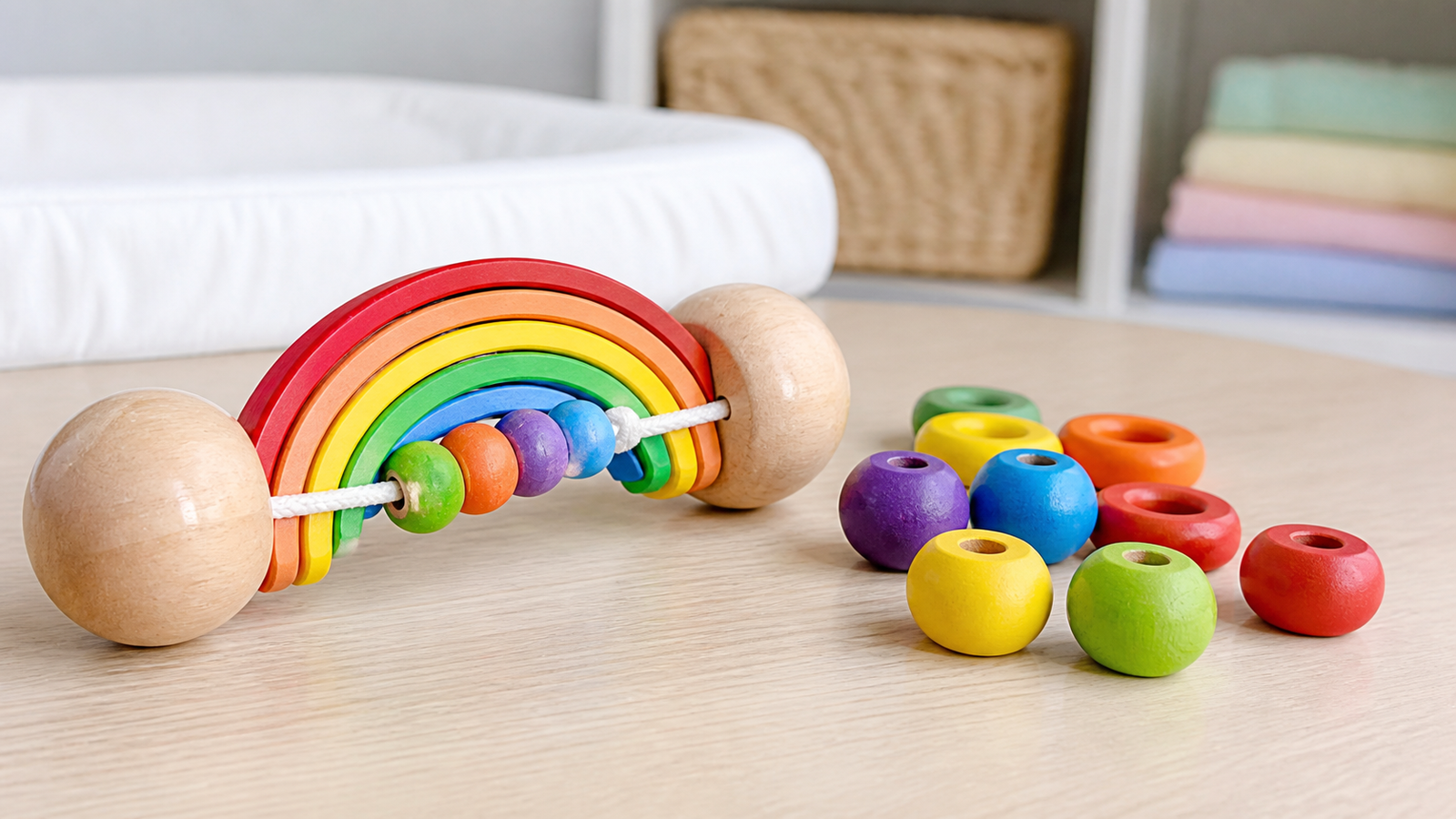
HABA USA has recalled about 2,000 Rainbow Rattle Grasping and Teething Toys because the glued knot on the elastic cord can come untied. If that happens, small wooden and plastic components can become accessible to a young child, creating choking and ingestion hazards. Parents and caregivers should stop using the toy immediately.
This is a model-and-batch-specific recall, not a warning that every wooden rainbow toy or every HABA product is unsafe. The fastest safe response is to remove the rattle from use, confirm the identifiers and follow the official refund process.
How to identify the recalled rattle
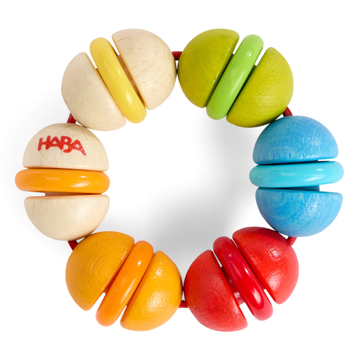
The Consumer Product Safety Commission identifies the product as the HABA Rainbow Rattle Grasping and Teething Toy. It combines natural wooden hemisphere pieces, colorful components, an elastic cord and plastic rings that make sound when the toy moves.
Look for item number 2012261001. The affected batch code is 0925. CPSC says the batch code appears in black on one of the natural wooden hemisphere pieces. The item number appears on the backer card above the barcode.
Packaging is helpful, but it is not the only route. If the card is gone, inspect the wooden hemisphere for the batch code and compare the toy with the official CPSC recall photographs. Do not keep manipulating the cord to test whether the knot fails. A recall is already the reason to stop use.
The toys were sold at specialty stores nationwide and online through Amazon, Target, Bella Luna Toys, HABA USA and Nordstrom from December 2025 through July 2026. The price was about $13.
What failed
The problem is the glued knot that secures the elastic cord. CPSC says the knot can become untied, allowing children to reach the small pieces strung on the toy. The hazard is therefore not a chemical concern or a complaint about the paint color. It is a mechanical containment failure.
Small pieces are dangerous for infants and young children because they can block an airway or be swallowed. A toy designed for grasping and teething is expected to be handled, pulled and placed near the mouth, which makes the integrity of the cord central to safe use.
HABA reported two incidents in which the knot became untied. No injuries had been reported in the official notice. “No injuries” does not mean continued use is reasonable; it means the recall is intended to prevent the known failure from becoming an injury.
Our coverage of the Cuisinart grill-brush recall follows the same consumer rule: identify the exact model, stop exposure to the specific hazard and use the official remedy instead of improvising a repair.
What owners should do now
First, take the toy away from children immediately. Put it in a place where a child cannot retrieve it while you verify the code and begin the claim.
Second, contact HABA USA for a full refund. CPSC lists 800-468-6873, available from 9 a.m. to 4 p.m. Eastern Time Monday through Friday, and recall@habausa.com. The company also maintains a recall page on its website.
Third, follow the destruction instructions. Consumers are asked to cut the elastic cord, photograph the destroyed toy and upload or send the photo with their name and address to the recall contact. Only after documenting the destruction should the pieces be disposed of.
Do not resell, donate or pass along a recalled toy. Federal law prohibits the sale of products subject to a CPSC-ordered recall or a voluntary recall conducted with the commission.
Why a home repair is the wrong remedy
It may seem easy to retie the elastic or add household glue. That would create an untested repair on a product intended for mouthing and pulling. A knot that looks secure can loosen under repeated load, and an adhesive can introduce a new material without restoring the manufacturer’s tested design.
The official remedy is a refund, not a repair kit. That choice tells consumers the product should leave use rather than be modified. Following it also gives the manufacturer and regulator a clearer count of affected units removed from circulation.
If another child-care product has a loose cord or small component but does not match this item and batch, stop using it while checking the manufacturer and CPSC database. Do not assume it is covered by this refund, and do not assume the absence of this exact recall makes a visible failure safe.
How to check secondhand and gift items
Baby products often move between households without packaging. A caregiver may not know the purchase date or retailer. The physical item and batch code therefore matter more than a receipt for initial identification.
Ask relatives, daycare providers and anyone who keeps toys for visits to inspect their own stock. Search terms should include the item number and batch code rather than only “rainbow toy,” which can return visually similar products.
For secondhand marketplaces, sellers should check recall status before listing. Buyers should request clear photographs of model and batch identifiers for products where those identifiers control eligibility.
This verification habit also applies to health and safety announcements. Our article on Mimrylo’s FDA approval explains why a regulator’s exact scope matters more than a generalized headline.
What happens next
CPSC’s recall page is the current source of truth for remedy details and updates. The remedy can change if company operations or instructions change, so consumers should use the live notice when filing a claim.
HABA and retailers may contact purchasers whose transaction records identify the toy, but owners should not wait for an email. Purchases made as gifts, through specialty stores or with incomplete account information may not produce a direct alert.
The immediate action remains simple: remove the toy, verify item 2012261001 and batch 0925, contact HABA and complete the documented destruction process for the refund.
Keep the recall confirmation until the refund arrives. If a retailer or marketplace gives instructions that conflict with CPSC, pause and contact HABA directly. The federal notice identifies the importer, phone number, email, item and batch; those details are enough to distinguish the official process from a phishing message asking for unrelated account credentials.
Document the date you contacted the company and the response received.
Households should keep one clear photo of the batch code with the recall confirmation. That record helps another caregiver, retailer or marketplace verify which unit was removed without reopening the discarded toy or sharing unrelated personal information.
Quick poll
Where do you usually learn about a product recall?
The official notice identifies item 2012261001, batch 0925 and a full-refund remedy.
FAQ
Which HABA toy is recalled? The HABA Rainbow Rattle Grasping and Teething Toy with item number 2012261001 and batch code 0925.
Why was it recalled? The glued knot on the elastic cord can untie and release small wooden and plastic pieces, creating choking and ingestion hazards.
Were any children injured? CPSC says HABA received two reports of knots coming untied and no reported injuries.
What is the remedy? Stop use, contact HABA USA and follow its instructions to cut the cord, submit a destruction photo and receive a full refund.