Key Takeaways
- Reading ran August 27-30 with six top-line acts across its main program.
- New spaces such as The Ballroom and The Warehouse pushed dance music deeper into the festival identity.
- Independent reviews praised the performances but also documented stage cancellations, weak phone service and operational friction.
- The 2026 edition succeeded as a portrait of a borderless young audience rather than a pure rock festival.
Reading Festival 2026 was strongest when it stopped asking rock, rap, pop and dance music to occupy separate lanes. Charli xcx and Fontaines D.C. could define Friday, Dave and RAYE could anchor Saturday, and Florence + The Machine could share Sunday with Chase & Status Live. The official bill looked scattered on paper. On the field, that range became the point.
That conclusion is more useful than a ranked list of sets. The festival’s future depends on whether it can turn genre variety into a coherent experience while fixing the systems around the music. A brilliant performance does not make a cancelled stage or broken communication disappear.
The headline grid was a statement
Reading’s official lineup named Charli xcx, Dave, Fontaines D.C., RAYE, Florence + The Machine and Chase & Status Live as its major acts. Each points toward a different tradition: experimental pop, British rap, post-punk, vocal pop and R&B, theatrical rock, and drum-and-bass performance.
Older versions of Reading could be described through a dominant guitar identity even when other genres appeared. The 2026 edition treated movement between scenes as normal. The Guardian argued that the festival embraced Gen Z’s borderless listening habits rather than assigning each day one narrow identity.
That approach worked because the strongest artists did not dilute their own performances to fit a common festival template. Charli xcx could present a maximal pop show. Fontaines D.C. could lean into physical band energy. Dance stages could function as destinations instead of late-night side rooms.
The official bill also gave emerging acts space across The Gallery and The Ballroom. NME highlighted ADÉLA as an early moment and Westside Cowboy as an example of the smaller-stage energy. A festival renews itself when those discoveries matter alongside the names that sold tickets.
Charli and Fontaines gave Friday two centers
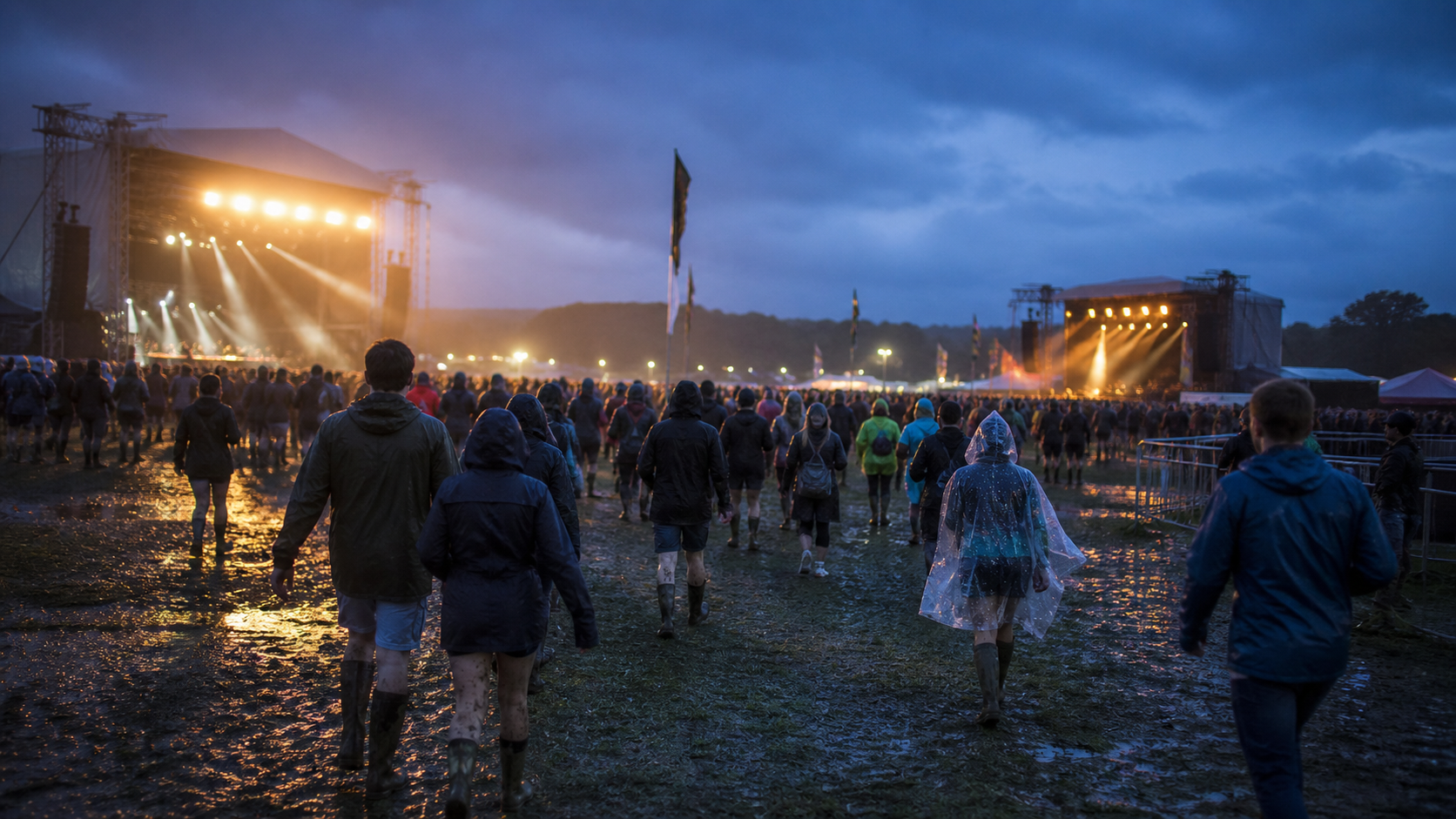
The Independent described Charli xcx as being at her best at Reading, while also praising Fontaines D.C. on a rain-soaked, rock-heavy Friday. The contrast helped the day. One performance could be precise, choreographed and visually controlled; the other could feel like a band forcing momentum through weather and mud.
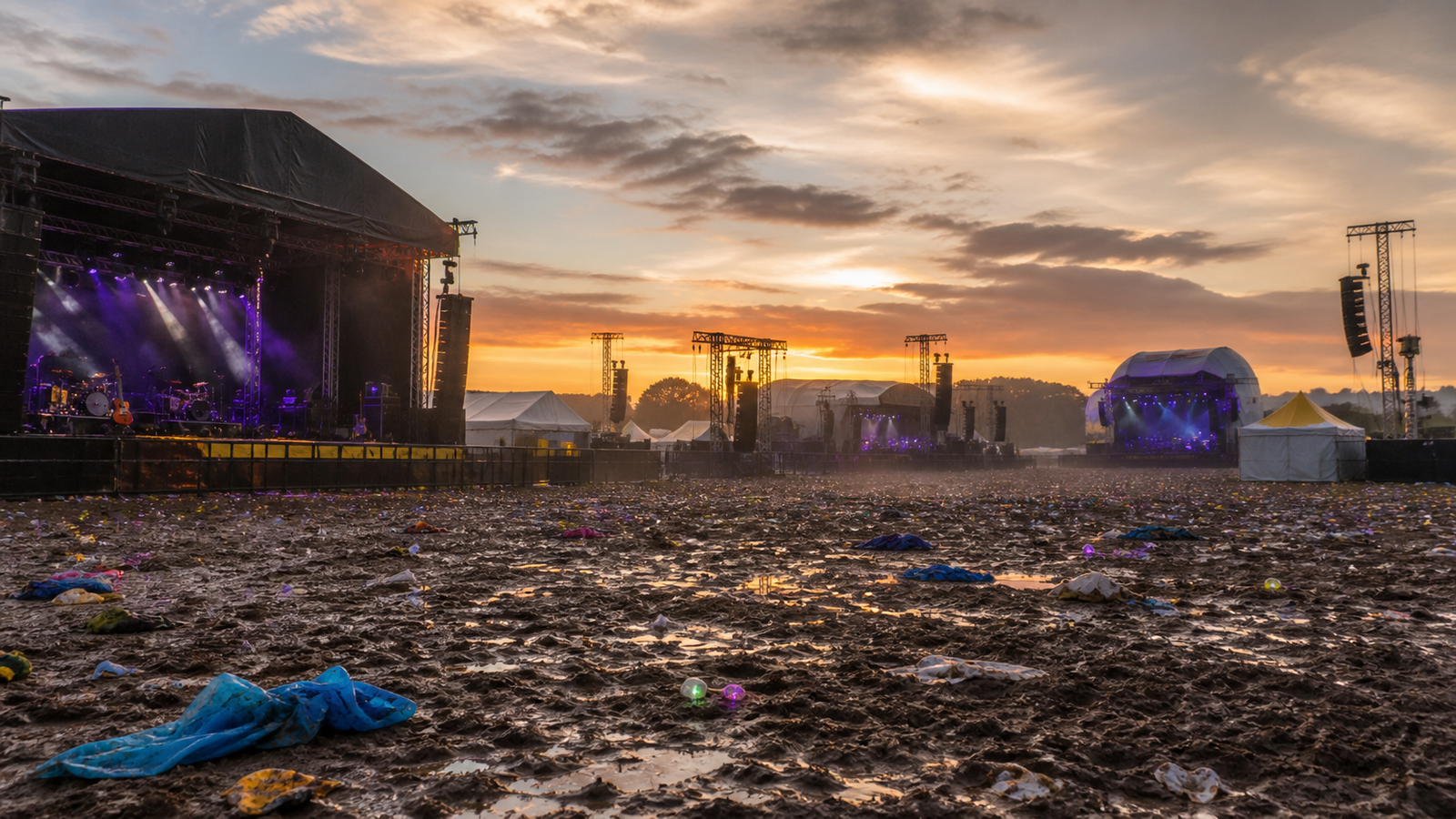
The rain mattered because festivals are physical environments. A set remembered through cold clothes, leaking tents and difficult ground can feel more intense, but those conditions also expose weaknesses in access and infrastructure. Romanticizing the mud is easy after going home. Managing it is part of the promoter’s job.
Fontaines D.C.’s presence showed that expanding dance and pop did not require deleting guitars. The more interesting shift was that a rock set no longer had to represent the entire event. It could be one strong language among several.
This is similar to the way our 2026 fall movie preview treats a season: the value comes from contrasting options rather than pretending one title defines every viewer.
Dance music became infrastructure
NME reported that The Warehouse repeatedly appeared full in the official app, while The Ballroom gave another new identity to the grounds. The Guardian’s review went further, describing dance music as the dominant connective force across the weekend.
That matters because a dance stage changes crowd flow as well as programming. Audiences arrive and leave in different rhythms. Sets overlap continuously. Sound bleed, queue management and late-night transport become more important. A successful new stage is therefore a production system, not simply a tent with a strong booking.
The weekend also exposed the risk. UK Festival Guides documented cancelled sets at a new dance stage and significant phone-signal problems during major periods. Its review was not written from an on-site credentialed perspective, so its operational claims should be read alongside the direct reviews rather than as a single authority. The repeated signal across sources is still clear: musical ambition outran parts of the delivery.
Phone service may sound secondary to live music, but modern festival safety and coordination depend on it. Groups separate, transport plans change and app notifications carry schedule updates. If a new stage is at capacity or a set is cancelled, communication determines whether the disruption remains local.
The best moments came from contrast
NME’s weekend summary emphasized both future-facing performers and established headliners. That mix prevented the festival from feeling like a playlist of only proven streaming numbers. Smaller rooms could create the concentrated surprise that an enormous main stage rarely produces.
RAYE’s position on Saturday made sense in this structure. Her songwriting and voice can hold a broad crowd without collapsing into generic festival uplift. Dave gave the same day a different form of narrative and presence. On Sunday, Florence + The Machine offered scale and ritual, while Chase & Status supplied a physical closing force.
The point is not that every attendee loved every headliner. It is that the schedule acknowledged how listeners actually move between genres. A person could arrive for a guitar band, spend hours at a dance stage and still end the night with a pop artist without experiencing that as a contradiction.
Our 2026 VMA guide tracks institutional categories around popular music. Reading demonstrated the opposite pressure: live audiences often ignore those boxes when the next compelling set is a short walk away.
Was the ticket worth it?
The answer depends on which part of the product a buyer values. The lineup delivered expensive, distinct headliners and a deep route through new acts. Reviews described several exceptional performances. For a listener who planned around music, there was enough quality to justify the trip.
But a festival ticket also buys access, schedule reliability, sanitation, crowd management and communication. A £325 weekend cannot ask attendees to treat those as optional extras. Cancelled programming and unusable phone service reduce value even when the replacement hour contains another good act.
The fair conclusion is split: the music case was strong; the operational case was uneven. That is not fence-sitting. It identifies where organizers should invest. Booking another famous artist will not fix a capacity alert that arrives too late.
What Reading should keep
The festival should keep the genre permeability, the new-stage ambition and the emphasis on performers who may headline future editions. It should resist nostalgia pressure to recreate an imaginary all-rock past. The audience demonstrated demand for a more complicated event.
It should also publish clearer contingency information, strengthen on-site connectivity or offline messaging, and make stage-capacity management visible. If an app is central to discovery, it needs an offline schedule and local notification strategy. If a stage repeatedly fills, the site plan needs to absorb that success.
Environmental recovery matters too. The empty field after a festival is part of the event’s real footprint. Waste systems, camping behavior and transport are not separate from the cultural identity promoters sell.
What happens next
Reading 2027 will reveal whether the new stages were a one-year experiment or the beginning of a durable format. The booking test is not simply which six names appear at the top. It is whether the site continues to let scenes collide without turning every transition into a queue or cancellation.
The 2026 weekend showed a credible identity: a huge youth festival built around how people listen now. The next version has to make the surrounding machinery as contemporary as the lineup.
Quick poll
What matters most when choosing a festival?
Reading 2026 paired a wide-ranging lineup with new stages and uneven operational reports.
FAQ
Who headlined Reading Festival 2026? The official top line included Charli xcx, Dave, Fontaines D.C., RAYE, Florence + The Machine and Chase & Status Live.
When was Reading Festival 2026? It ran from August 27 through August 30 at Richfield Avenue.
What changed at the festival? Newer spaces including The Ballroom and The Warehouse expanded the dance and emerging-artist program.
Were there problems? Independent reporting described cancelled sets at a new dance stage, weak phone service and other operational friction alongside strong performances.